
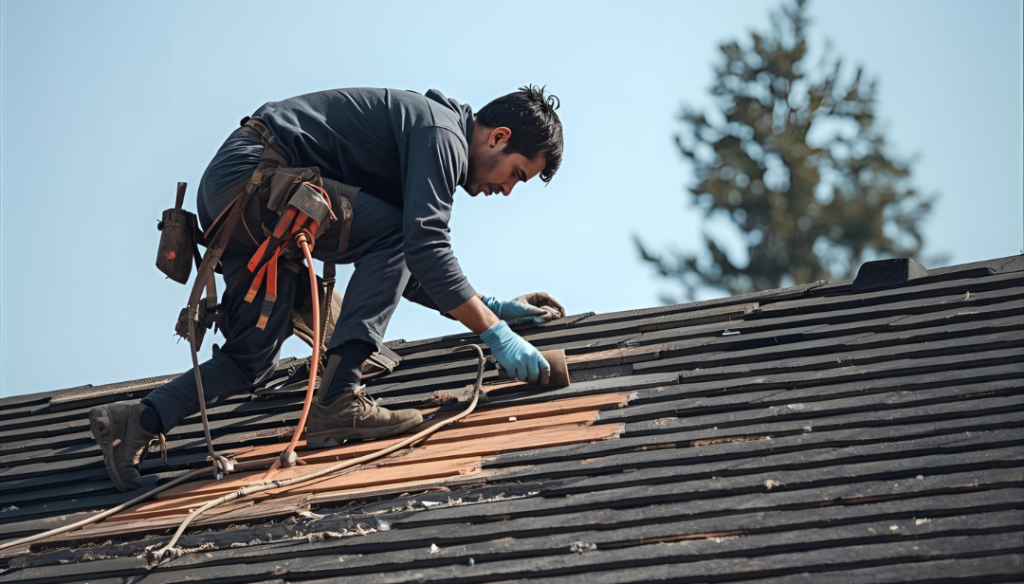
Your roof is your home’s first line of defense against Indiana’s unpredictable weather—from heavy snowfall and ice storms to summer thunderstorms and damaging hail. With roof replacement costs averaging $20,000 to $30,000 in 2025, investing in preventive care is one of the smartest decisions a homeowner can make. As trusted roofing experts serving Southern Indiana communities, we help homeowners protect their investments through proper roof care. Contact our roof repair specialists for an inspection today and ensure your roof is ready for whatever weather comes next.
Quick Summary
- Inspect your roof twice yearly (spring and fall) to catch damage early
- Clean gutters regularly to prevent water damage and ice dams
- Address leaks immediately to avoid costly interior damage
- Maintain proper attic ventilation to prevent ice dams and extend roof life
- Work with licensed Indiana contractors for all major repairs
- Regular maintenance can extend your roof’s lifespan by 10-15 years
10 Essential Roof Repair Tips for Indiana Homeowners
Taking a proactive approach to roof care helps you catch problems early and avoid expensive replacements. Here are ten practical steps every Indiana homeowner should follow.
1. Inspect Your Roof Every Spring and Fall
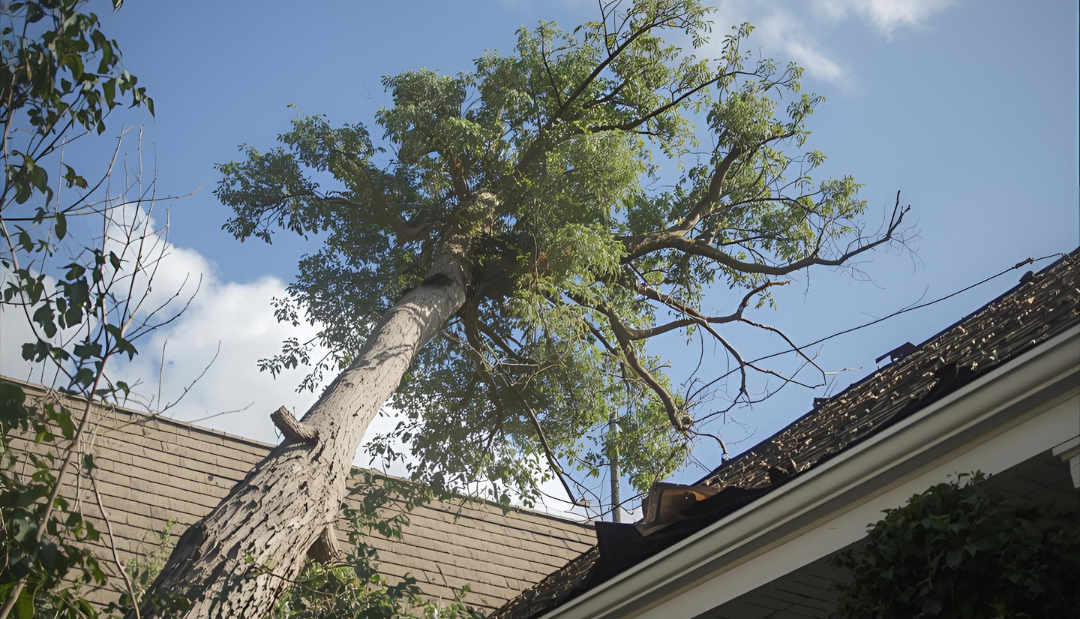
Indiana’s dramatic seasonal transitions make twice-yearly inspections essential. Spring reveals winter’s toll—ice dam damage, broken shingles from heavy snow, and freeze-thaw deterioration. Fall checkups prepare your roof for harsh conditions ahead.
According to the National Roofing Contractors Association (NRCA), homeowners should inspect their roofs during fall and spring to check for cracked or curling shingles and clean gutters filled with debris. Schedule these roof inspection tips into your maintenance calendar, looking for:
- Missing or loose granules on shingles
- Damaged or loose flashing around chimneys and vents
- Debris accumulation in valleys
- Sagging areas or visible structural issues
If climbing feels unsafe, use binoculars from the ground or hire a professional for a thorough Indiana roof inspection. Our Clarksville roofing contractors provide comprehensive inspections with detailed reports.
2. Check for Common Roof Damage After Storms
Severe weather can strike any season in Indiana. After hailstorms, high winds, or heavy thunderstorms, examine your roof for impact damage including:
- Dented or cracked shingles from hail
- Torn or lifted flashing
- Debris punctures from fallen branches
- Missing shingles or exposed underlayment
Wind can lift shingle edges and break seals, leaving your roof vulnerable. Professional inspections catch hidden issues that untrained eyes might miss, potentially saving you from insurance claim complications. If you’ve experienced storm damage, our team specializes in emergency roof repairs throughout Southern Indiana.
3. Clean Gutters Regularly to Prevent Water Damage
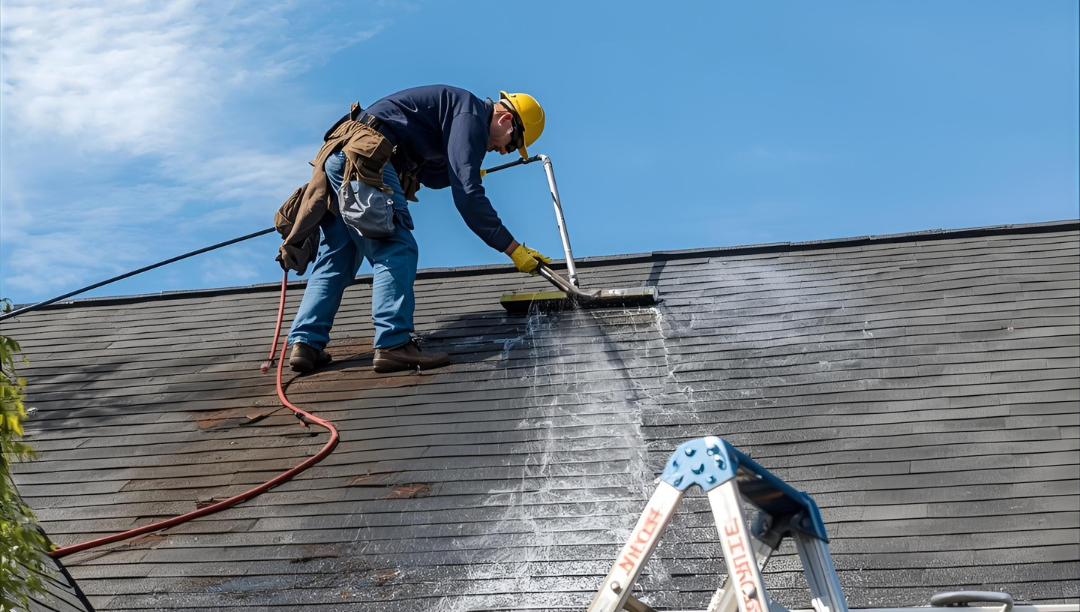
Clogged gutters force water to back up under your roofline, causing rot, mold, and interior leaks. Indiana’s abundant trees mean gutters fill quickly with leaves, especially in autumn. Clean your gutters at least twice annually—more often if you have overhanging branches.
Proper drainage prevents water from pooling on your roof, which accelerates shingle deterioration and can lead to expensive roof leak repair. While cleaning, inspect downspouts to ensure water flows away from your foundation at least six feet.
4. Look for Shingle Curling, Cracks, or Missing Pieces
Visible shingle damage signals that your roof needs attention. Watch for:
- Curling edges – Indicate age or poor ventilation
- Cracks – Suggest brittleness from UV exposure
- Missing shingles – Leave your roof deck exposed to moisture
- Granule loss – Reduces UV protection and waterproofing
Indiana’s temperature swings—from freezing winters to hot, humid summers—accelerate wear. Isolated issues can often be repaired before they spread, making early detection crucial.
5. Address Leaks Immediately
Water infiltration causes significant damage over time, promoting mold growth, insulation deterioration, and structural rot. Common leak sources include:
- Damaged flashing around chimneys and vents
- Cracked or improperly sealed skylights
- Deteriorated roof valleys
- Worn or missing shingles
Interior signs like water stains, peeling paint, or musty odors indicate active leaks requiring immediate attention. Professional roofers can trace leaks to their source and implement lasting solutions. Don’t let a small leak become a major problem—contact us for expert roof repair services.
6. Keep Attic Ventilation and Insulation Balanced
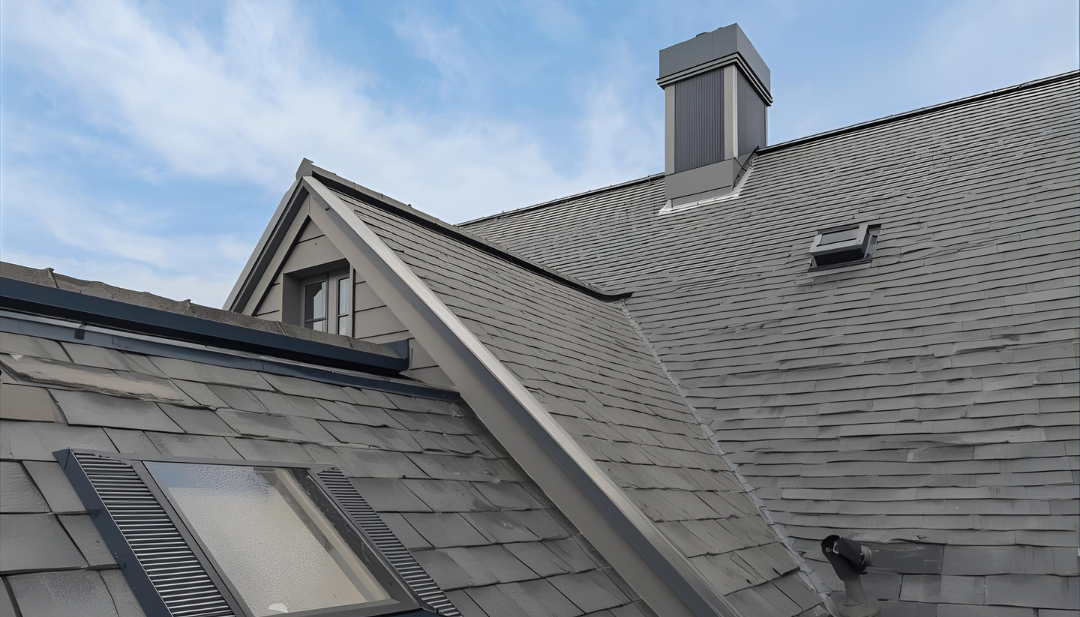
Proper attic airflow prevents ice dams in winter and heat buildup in summer. Indiana winters create perfect conditions for ice dams when warm attic air melts snow on your roof, which then refreezes at the eaves. This ice forces water under shingles, causing leaks and structural damage.
Adequate insulation keeps heat in your living spaces, while ventilation allows moisture to escape. Check that:
- Soffit vents aren’t blocked by insulation
- Ridge vents are clear of debris
- Attic temperature stays close to outdoor temperature in winter
- No signs of moisture or frost in attic spaces
7. Avoid DIY Roof Repair Without Proper Safety Gear
While homeowners can handle minor maintenance, DIY roof repair safety must be your top priority. Roofing work involves serious fall risks, especially on steep or high roofs. Without proper equipment—safety harnesses, non-slip footwear, and stable ladders—accidents happen quickly.
Additionally, improper repairs can void warranties and cause more damage. The NRCA recommends that professional roofing contractors handle repairs because they are trained to safely and efficiently work on roofs. Leave complex repairs like flashing replacement and extensive shingle work to licensed professionals with the expertise, insurance, and equipment to complete jobs safely.
8. Trim Overhanging Tree Branches
Trees near your home pose multiple roofing hazards:
- Drop leaves that clog gutters and retain moisture
- Promote algae and moss growth from constant shade
- Risk breaking and puncturing shingles during storms
- Provide access routes for squirrels and other pests
Keep branches trimmed at least six feet from your roofline to reduce debris accumulation, prevent animal access, and minimize storm damage risk.
9. Schedule Professional Roof Inspections Annually
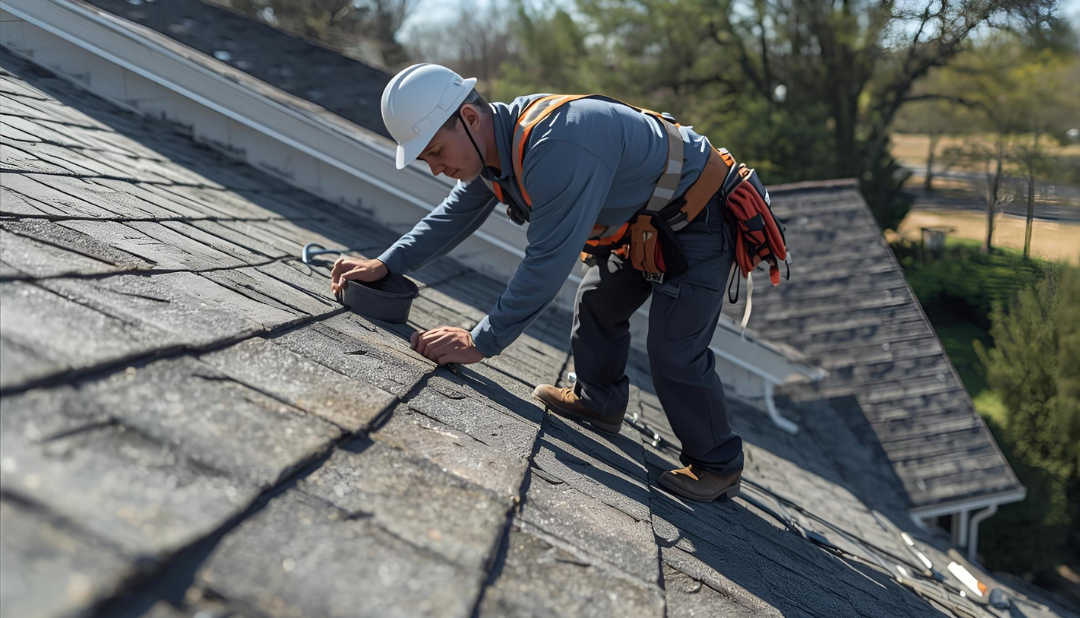
Professional roofers spot subtle problems that lead to major failures—deteriorating underlayment, inadequate ventilation, or hidden leak sources. Annual inspections provide detailed assessments of your roof’s condition and remaining lifespan.
These inspections often qualify for insurance discounts and help you budget for future repairs. As a family-owned business serving Southern Indiana, we provide transparent assessments and honest recommendations. Schedule your inspection with our experienced team today.
10. Work with a Licensed Indiana Roofing Contractor
Licensed Indiana roofers understand local building codes, weather challenges, and the best materials for our climate. They carry proper insurance, offer warranties, and have established reputations in your community.
Avoid storm chasers and unlicensed contractors who disappear after collecting payment. Research contractors thoroughly, check references, and verify credentials before starting any project. At JT Roofs, we’re a trusted roofing contractor serving Sellersburg, Clarksville, and surrounding areas with integrity and craftsmanship. Call us today for a quote on your repair needs.
Common Roof Problems in Indiana Homes
Indiana’s climate creates specific challenges homeowners should recognize:
- Water leaks – Often from damaged flashing, worn shingles, or clogged drainage
- Ice dams – Form along eaves during freeze-thaw cycles, forcing water under shingles
- Shingle deterioration – Accelerated by temperature extremes (below 0°F to over 90°F)
- Gutter clogs – Cause water backup and foundation problems
- Granule loss – Reduces UV protection and waterproofing on aging roofs
- Storm damage – From hail, wind, and falling branches
Understanding these issues helps you monitor your roof effectively. If you notice any of these problems, reach out for an inspection before small issues become emergency repairs.
When to Call a Professional Roof Repair Expert
Warning Signs You Shouldn’t Ignore
Several red flags demand immediate professional attention:
- Interior water stains on ceilings or walls indicating active leaks
- Sagging rooflines suggesting structural damage from moisture or weight
- Visible mold or mildew growth signaling moisture problems
- Unexpectedly high energy bills from poor attic insulation or ventilation
- Light visible through roof boards from the attic indicating deterioration
- Large areas of missing or damaged shingles exposing your home to infiltration
Benefits of Hiring a Local Indiana Roofer
Local contractors offer advantages that out-of-state companies can’t match:
- Regional expertise – Understanding Indiana’s specific weather and building codes
- Community reputation – Established businesses with local accountability
- Quick response – Nearby for emergency storm damage repairs
- Ongoing support – Available to honor warranties long after completion
- Insurance experience – Familiar with Indiana weather claims processes
Schedule your free roof inspection today with a trusted local professional at JT Roofs.
How Regular Maintenance Saves You Money
Preventive roof care delivers impressive returns on investment. Research shows that proactive maintenance can extend your roof’s lifespan by 10-15 years. Annual inspections and minor repairs typically costing $200 to $1,000 can delay a $20,000-$30,000 replacement.
Additional savings include:
- Prevention of interior damage to ceilings, walls, and insulation
- Maintained home value and appeal to future buyers
- Better insurance rates and fewer claim rejections
- Reduced energy costs from proper ventilation and insulation
- Avoided emergency repair premiums during severe weather
Small investments in gutter cleaning, shingle replacement, and flashing repairs compound over time, providing massive savings compared to neglect.
Contact Our Indiana Roofing Experts Today
Your roof protects your most valuable investment—don’t wait until minor issues become major emergencies. Our certified team at JT Roofs understands Indiana’s unique roofing challenges and delivers quality repairs that stand the test of time.
Why Choose JT Roofs:
- Family-owned business with strong community values
- Licensed and insured with verified credentials
- Transparent pricing and flexible financing options
- Comprehensive warranties on all work
- Fast response for emergency repairs
- Serving Sellersburg, Clarksville, and Southern Indiana
Whether you need storm damage assessment, leak repair, or a comprehensive maintenance plan, we’re here to help. Get your roof inspected by our certified Indiana roofing team and gain peace of mind knowing your home is protected.
📞 Call us today or schedule online for professional roof repairs and experience the difference local expertise makes.
Frequently Asked Questions
How often should I inspect my roof in Indiana?
Inspect your roof at least twice yearly—once in spring and once in fall. Additionally, check after major storms involving hail, high winds, or heavy snow. These seasonal and event-driven inspections help catch damage early when repairs are simplest and least expensive.
Can I repair a leaking roof myself?
Minor repairs like replacing a few shingles may be manageable for experienced DIYers with proper safety equipment. However, identifying leak sources, flashing work, and structural repairs require professional expertise. Improper repairs often cause additional damage and void warranties, making professional service the safer choice.
What are the most common causes of roof damage in Indiana?
Indiana roofs face damage from severe weather including hail, wind, and heavy snow loads. Ice dams from freeze-thaw cycles cause water infiltration. Age-related deterioration from temperature extremes, UV exposure, and moisture accelerates shingle breakdown. Poor ventilation and clogged gutters also contribute significantly to premature roof failure.
How do I know if my roof needs replacement or repair?
Roofs under 15 years old with localized damage typically need repairs. Consider replacement if your roof exceeds 20-25 years, shows widespread shingle deterioration, has multiple leak areas, or displays structural sagging. Asphalt shingle roofs generally last 20-30 years with proper maintenance. Professional inspections provide accurate assessments and cost comparisons to guide your decision.
How much does roof repair cost in Indiana?
Minor repairs like replacing damaged shingles typically cost $200-$1,000. Moderate repairs including flashing replacement or leak fixes range from $1,000-$3,000. Extensive repairs can reach $5,000 or more. Costs vary based on damage extent, materials, roof accessibility, and local labor rates. Request detailed estimates from licensed contractors.
What is the best time of year to repair a roof in Indiana?
Late spring through early fall offers the best conditions for roof repairs in Indiana. Temperatures between 45-85°F allow proper shingle sealing and material adhesion. Avoid winter repairs when cold temperatures make shingles brittle and harder to work with. However, emergency repairs should be addressed immediately regardless of season.
Does homeowners insurance cover roof repairs in Indiana?
Most homeowners insurance policies cover roof damage from sudden events like storms, hail, wind, or fallen trees. However, damage from wear and tear, neglect, or poor maintenance typically isn’t covered. Document all storm damage with photos and contact your insurance company promptly. Many Indiana roofers have experience working with insurance claims.
How long does a typical roof repair take?
Simple repairs like replacing a few shingles can take 1-3 hours. Moderate repairs addressing flashing or small leak areas may take 1-2 days. Extensive repairs involving large sections of roofing can take 3-5 days. Timeline depends on damage extent, weather conditions, and material availability. Your contractor should provide a clear timeline estimate.
What questions should I ask a roofing contractor before hiring them?
Ask about licensing and insurance, years of experience in Indiana, references from recent projects, warranty coverage on materials and workmanship, project timeline and start date, written estimate details, and how they handle unexpected issues. Also inquire about manufacturer certifications and their process for protecting your property during work.
Can ice dams cause permanent damage to my roof?
Yes, ice dams can cause significant damage if not addressed. They force water under shingles, leading to rot in roof decking, damaged insulation, interior ceiling and wall leaks, and potential mold growth. Proper attic insulation and ventilation prevent ice dams. If you notice ice dam formation, contact a professional to safely remove ice and assess any damage.