
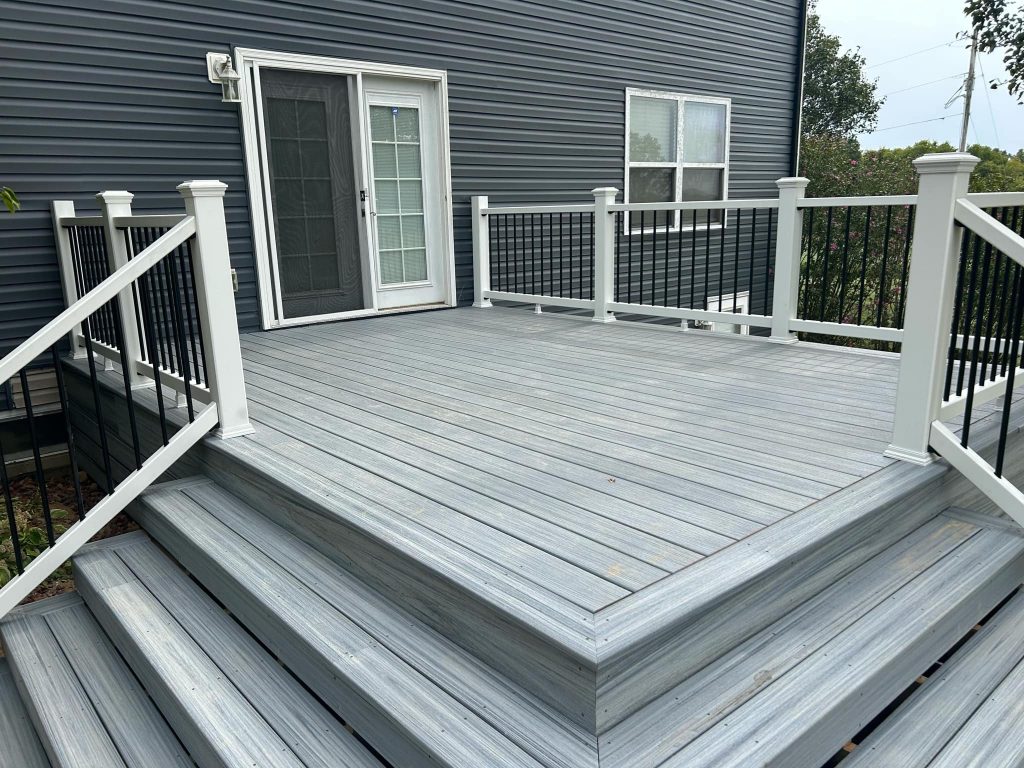
Outdoor living spaces have become increasingly popular among homeowners in Sellersburg, IN, with decks leading the way as one of the most sought-after home improvements. A well-designed deck does more than extend your living area—it transforms your home’s exterior, creates an inviting space for gatherings, and significantly boosts property value. According to Remodeling Magazine’s 2024 Cost vs. Value Report, wood decks recoup approximately 83% of their cost at resale. Contact our deck specialists for a consultation today and discover how a custom deck can transform your Sellersburg home.
Quick Summary
- Wood decks offer 83% ROI while composite decks provide 68% return on investment
- Professional installation ensures code compliance and maximizes property value
- Pressure-treated wood costs around $17,615 for a 16′ x 20′ deck
- Composite decking averages $24,206 for the same size but lasts 25+ years
- Indiana’s 30-40 freeze-thaw cycles per winter demand durable materials
- Permits required for most decks over 30 inches high or 200 square feet
- Strategic deck placement and design significantly impact home value
10 Essential Tips for Deck Planning in Sellersburg, IN
Whether you’re building your first deck or replacing an aging structure, these essential tips will help you make informed decisions that maximize your investment and create an outdoor space you’ll love for decades.
1. Understand Deck ROI and Home Value Impact
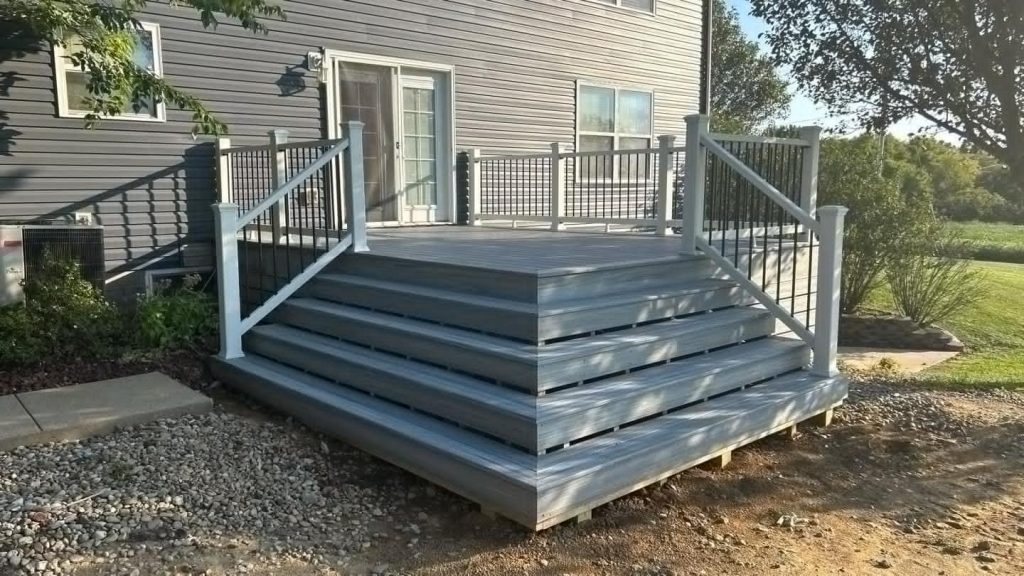
Your deck represents a significant investment, and understanding the financial return helps you make smart choices. Wood decks typically recoup about 83% of their cost at resale, while composite decks offer approximately 68% ROI nationwide. A 16′ x 20′ pressure-treated wood deck averages $17,615 in cost, while the same size in composite decking runs approximately $24,206.
The perceived value often exceeds the appraised value—buyers envision themselves hosting gatherings and creating memories in these spaces. Similar to how a roof replacement enhances home value and curb appeal, a quality deck creates strong first impressions that translate to faster sales and stronger offers. Homes with attractive outdoor amenities typically spend less time on the market. While composite decks have a lower initial ROI due to higher upfront costs, they last 25 years or more compared to wood’s 10-15 year lifespan, making them more economical when considering total cost of ownership.
Professional installation plays a critical role in maximizing ROI. Proper construction ensures structural integrity, longevity, and compliance with local codes—all of which protect your investment and give buyers confidence. Our deck and patio services include professional design consultation and expert installation.
2. Choose the Right Materials for Indiana’s Climate
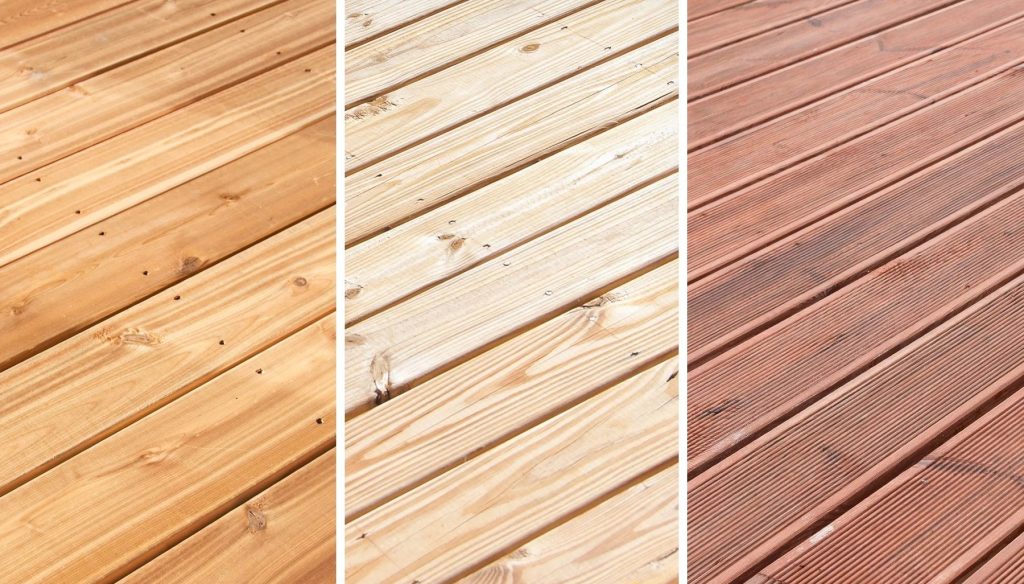
Indiana experiences approximately 30-40 freeze-thaw cycles per winter season, along with significant temperature swings, humidity, and seasonal precipitation—all factors that influence how deck materials perform over time. Just as choosing the right roofing material for your climate is crucial for longevity, selecting appropriate decking materials ensures your outdoor investment withstands Indiana’s demanding weather. Your material choice affects both upfront costs and long-term maintenance requirements.
Pressure-Treated Wood: Our team specializes in pressure-treated decks that combine durability with affordability. These decks resist rot and insects through chemical treatment, making them excellent choices for Indiana’s climate. Expect to clean, seal, and stain every 1-3 years to maintain appearance and prevent deterioration. Cedar and redwood offer natural resistance with attractive coloring but command higher prices.
Composite Decking: We also offer composite deck installations that harmoniously combine elegance and eco-friendliness. Made from recycled wood fibers and plastic polymers, these materials resist moisture, insects, and UV damage. They maintain color far better than wood, eliminate splintering, and require only occasional washing. While initial costs run higher, the elimination of annual maintenance often makes them more economical over the deck’s lifespan.
Aluminum & PVC: For ultimate durability and minimal maintenance, aluminum and PVC decking won’t rot, warp, or crack regardless of weather conditions. While less common due to higher costs, they excel in harsh exposure areas and stay cooler underfoot during hot Indiana summers.
3. Plan Strategic Deck Placement and Layout
Your deck’s placement dramatically affects both its functionality and its impact on home value. The most valuable decks complement your home’s architectural style and connect seamlessly to indoor living spaces. A deck accessed from your kitchen should position the grill and dining area nearby for convenient meal service, while conversation areas need furniture arrangements that don’t block walkways.
Consider sun exposure throughout the day—morning sun creates pleasant breakfast spots, while afternoon shade keeps decks comfortable during Indiana summers. Privacy from neighboring properties matters too. Strategic placement with railings, planters, or privacy screens can create secluded retreats even in closer-set neighborhoods.
Size should feel proportional to both the house and yard. Plan for at least 20 square feet per person for dining and gathering areas to ensure your deck feels spacious rather than cramped. Built-in features like benches, planters, or storage maximize functionality without cluttering the space.
4. Understand Permit Requirements and Building Codes
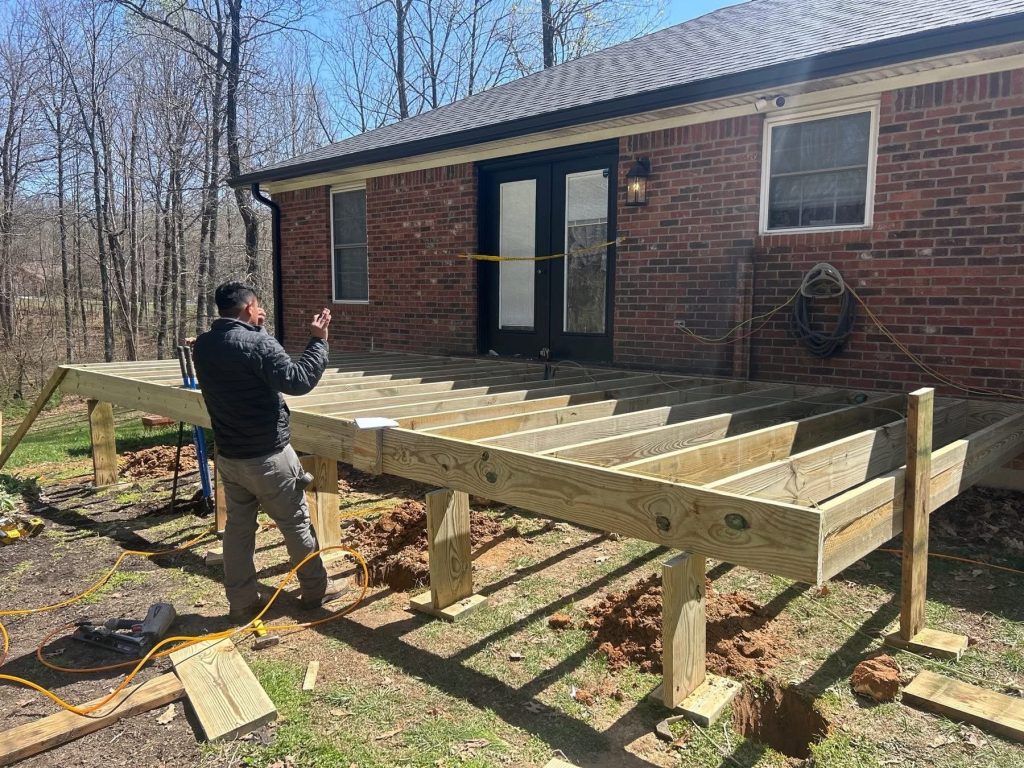
The Town of Sellersburg Building Commission issues construction permits and conducts inspections of new structures, additions, and renovations within town limits. Generally, permits are required for decks over 30 inches high or 200 square feet or larger, though requirements vary by jurisdiction.
Clark County Planning and Zoning enforces building codes based on the 2018 International Residential Code with 2020 Indiana amendments. Requirements include:
- Proper flashing where deck attaches to your home
- Adequate footings below frost line (typically 30-36 inches in Indiana)
- Handrails for decks over 30 inches high (minimum 36 inches tall)
- Stair risers 7¾ inches or less with treads at least 10 inches deep
- Structural capacity to support 40 pounds per square foot live load
Professional builders handle permit applications and ensure construction meets all local and state requirements. Working without proper permits can result in fines and complications when selling your home. As a trusted roofing and exterior remodeling contractor in Sellersburg, JT Roofs handles all permitting and ensures full code compliance for every project.
5. Match Deck Design to Your Home’s Architecture
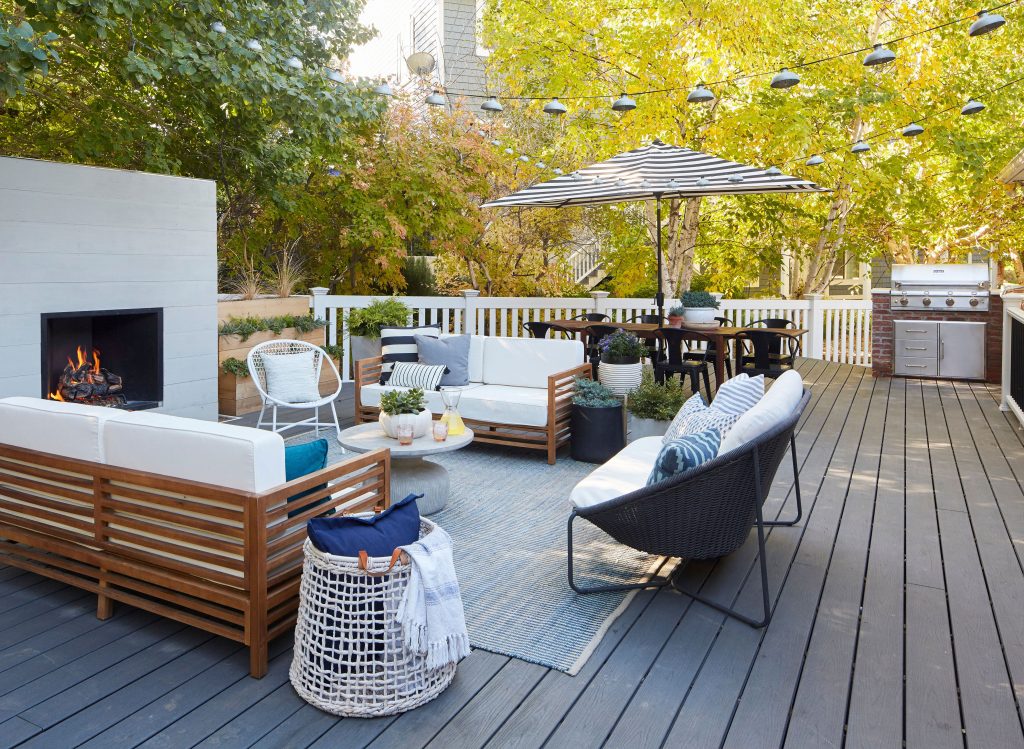
Not all decks contribute equally to home value. The most valuable decks complement your home’s architectural style rather than clash with it. A modern composite deck might look out of place on a traditional colonial, while a classic wood deck could feel dated on a contemporary home.
Traditional Wood Decks: Wood decks suit a wide range of architectural styles, from craftsman bungalows to ranch homes. The warm tones create inviting spaces that age gracefully when properly maintained. Pressure-treated lumber, cedar, and redwood each offer distinct aesthetic qualities and natural texture that synthetic materials can’t quite replicate.
Multi-Level Decks: When you have a sloped yard or want to create distinct zones for different activities, multi-level decks offer elegant solutions. These designs separate dining areas from lounging spaces, create visual interest through varied heights, and work with your property’s natural topography. They maximize usable outdoor space on challenging lots.
Covered or Screened Options: Indiana’s variable weather makes covered and screened decks increasingly popular. Roof structures provide shade during hot summers and protection during light rain. Screened enclosures keep out insects while maintaining airflow and views—particularly appealing during Indiana’s mosquito season.
6. Prioritize Professional Installation
Professional deck builders bring expertise that protects your investment from costly mistakes. They understand proper structural engineering, ensuring your deck safely supports expected loads. Their experience with Indiana’s climate informs material selection and building techniques that extend your deck’s lifespan.
Professionals stay current with building codes and permit requirements, navigating the approval process efficiently. They carry proper insurance and offer warranties on their work. At JT Roofs, we’ve built our reputation on quality craftsmanship and customer satisfaction, ensuring every deck project meets the highest standards of excellence.
The building phase starts with layout and footings, followed by framing, decking installation, and finishing touches like railings and stairs. Professional builders maintain clear communication throughout, updating you on progress and addressing questions. Most deck projects take one to three weeks depending on size and complexity.
7. Implement Proper Maintenance From Day One
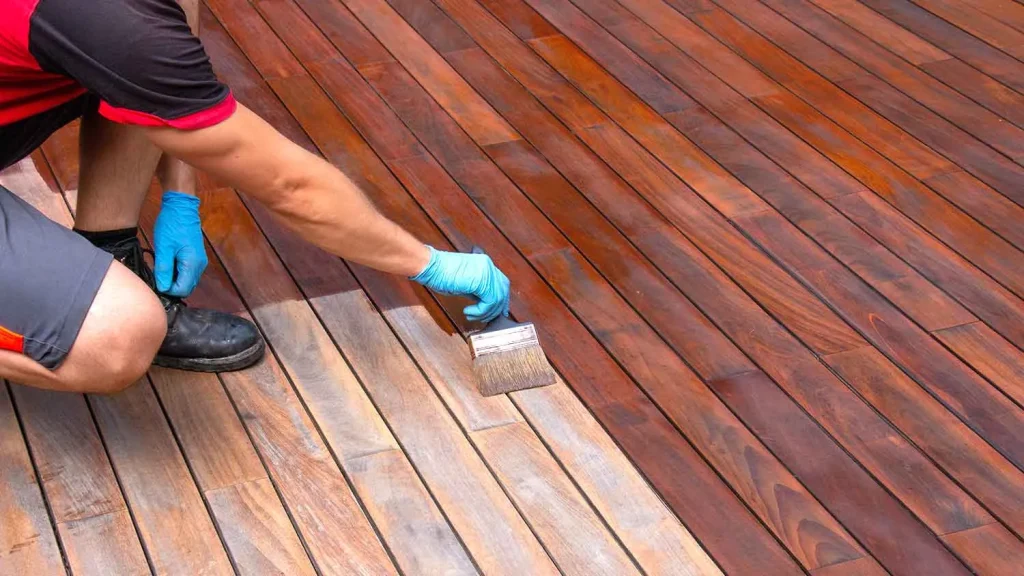
Protecting your investment requires attention to both immediate safety and long-term preservation. For wood decks, proper sealing and staining shields against moisture penetration, which causes rot, warping, and structural degradation. Apply these treatments when wood is dry and temperatures are moderate, typically in late spring or early fall in Indiana.
Indiana’s freeze-thaw cycles can shift footings and loosen connections, making annual structural checks essential. Seasonal maintenance includes:
- Clearing debris from between deck boards where moisture collects
- Cleaning at least twice yearly to remove mold and mildew
- Ensuring proper drainage so melting snow doesn’t pool
- Checking that railings remain firmly attached
- Inspecting for loose boards, protruding nails, or screws
Just as regular roof maintenance saves you money in the long run, consistent deck care prevents costly repairs and extends lifespan significantly. Composite decks require far less maintenance but still benefit from basic cleaning and debris removal.
8. Create Functional Outdoor Zones
Think about how you’ll actually use your deck and design accordingly. Successful decks incorporate multiple functional zones without feeling cramped:
Entertainment Areas: Position dining spaces near kitchen access for convenient meal service. Allow room for a grill, prep surface, and dining table with chairs. Ensure adequate clearance for people to move comfortably around furniture.
Relaxation Zones: Create conversation areas with comfortable seating arranged to encourage interaction. Consider built-in benches for space efficiency and permanent seating that withstands weather.
Transition Spaces: Design clear pathways from interior doors to main deck areas and down to yard level. Avoid creating bottlenecks where traffic flow becomes congested.
Privacy Features: Incorporate planters, lattice panels, or strategic railing designs that create seclusion without completely blocking views or airflow.
9. Consider Long-Term Value and Maintenance Costs
When comparing material options, look beyond initial installation costs to total cost of ownership:
Wood Decks:
- Lower upfront costs ($17,615 for 16’x20′)
- Requires cleaning, sealing, and staining every 1-3 years ($200-500 per treatment)
- 10-15 year lifespan with proper maintenance
- Higher ROI percentage (83%) at resale
- Natural appearance some buyers prefer
Composite Decks:
- Higher upfront costs ($24,206 for 16’x20′)
- Minimal maintenance (occasional cleaning only)
- 25+ year lifespan
- Lower ROI percentage (68%) but often higher dollar value
- Consistent appearance without fading
Calculate total ownership costs over 20 years including maintenance to understand true value. For busy homeowners, composite’s time savings can justify the premium pricing.
10. Work With Local Sellersburg Contractors
Local contractors offer advantages that out-of-state companies can’t match:
- Regional expertise – Understanding Indiana’s specific weather and building codes
- Community reputation – Established businesses with local accountability
- Quick response – Nearby for consultations and follow-up service
- Ongoing support – Available to honor warranties long after completion
- Permit knowledge – Familiar with Sellersburg and Clark County requirements
Learn more about the top advantages of choosing a local roofing contractor that also apply to deck installation projects. Avoid storm chasers and unlicensed contractors who disappear after collecting payment. Research contractors thoroughly, check references, and verify credentials before starting any project. Schedule your free deck consultation today with our experienced team.
Popular Deck Features for Sellersburg Homes
Beyond basic deck construction, several features significantly enhance functionality and appeal:
Built-In Seating: Perimeter benches provide permanent seating without cluttering the deck with furniture. They can incorporate storage underneath for cushions, toys, or outdoor supplies.
Lighting: LED deck lights installed in posts, railings, or stair risers extend usable hours into evening and improve safety. Solar-powered options eliminate wiring complexity.
Planters: Built-in planters soften hardscape with greenery while defining zones and adding privacy. Choose weather-resistant materials and ensure proper drainage.
Pergolas: Overhead structures provide partial shade, define spaces, and add architectural interest. They can support climbing plants or fabric panels for additional shade.
Fire Features: Built-in fire pits or fireplace elements extend seasonal use into cooler months and create focal points for gatherings.
When to Upgrade or Replace Your Existing Deck
Even well-maintained decks eventually show their age. Several signs indicate it’s time for repairs or replacement:
Structural Issues:
- Rotted boards that feel soft or crumble when pressed
- Loose railings that wobble or pull away from posts
- Bouncy deck boards suggesting weakened joists
- Sagging areas indicating foundation or structural problems
- Visible mold or mildew growth signaling moisture problems
Similar to identifying common signs of roof damage, recognizing these deck warning signs early prevents minor issues from becoming major safety hazards.
Cosmetic Decline:
- Extensive fading from UV damage
- Warped boards from moisture infiltration
- Widespread cracking indicating material breakdown
- Missing granules on composite boards
- Outdated design that hurts curb appeal
Roofs under 15 years old with localized damage typically need repairs. Consider replacement if your deck exceeds 15-20 years (for wood) or shows widespread deterioration across multiple areas. Professional inspections provide accurate assessments and cost comparisons to guide your decision.
Comprehensive Exterior Solutions for Your Home
While decks significantly enhance outdoor living, they’re just one component of a beautiful, functional home exterior. At JT Roofs, we offer comprehensive exterior remodeling services to protect and beautify your entire property.
Your roof protects everything beneath it, and quality roofing directly impacts your home’s value and integrity. We specialize in asphalt shingle roofing, which offers excellent durability and value for Indiana homeowners. For those seeking premium longevity and energy efficiency, our metal roofing services provide superior performance that can last 50+ years with minimal maintenance.
When your existing roof shows signs of wear but doesn’t need complete replacement, our roof repair services can address leaks, damaged shingles, and structural issues promptly, preventing more costly problems down the road.
A cohesive exterior improvement plan—combining deck upgrades with roofing maintenance or replacement—creates the most dramatic transformation and protects your investment most effectively. Our team can assess your entire exterior and develop a comprehensive plan that fits your budget and timeline.
Why Choose JT Roofs for Your Deck Project
Your outdoor space deserves the same quality and attention to detail you’d expect for any major home improvement. Our certified team at JT Roofs understands Southern Indiana’s unique climate challenges and delivers quality construction that stands the test of time.
Why Choose JT Roofs:
- Family-owned business with strong community values
- Licensed and insured with verified credentials
- Comprehensive warranties on all work
- Transparent pricing with no hidden fees
- Fast response for consultations and estimates
- Expert knowledge of local permits and codes
- Serving Sellersburg, Clarksville, Jeffersonville, and Southern Indiana
Whether you need a complete deck installation, replacement of an aging structure, or consultation on design options, we’re here to help. Get your property evaluated by our certified Southern Indiana deck specialists and gain peace of mind knowing your outdoor investment will be built to last.
📞Call us today or schedule online for professional deck design and installation and experience the difference local expertise makes.
Frequently Asked Questions
How much does it cost to build a deck in Sellersburg, IN?
A 16′ x 20′ pressure-treated wood deck averages $17,615, while the same size composite deck costs approximately $24,206. Total costs vary based on size, materials, design complexity, site preparation requirements, and features like built-in seating or lighting. Multi-level decks, covered structures, and premium materials increase costs. Request detailed estimates from licensed contractors for accurate pricing specific to your project.
Do I need a permit to build a deck in Sellersburg?
Most decks require permits in Sellersburg, particularly those over 30 inches high or 200 square feet. The Town of Sellersburg Building Commission issues permits and conducts inspections. Requirements include proper footings, structural specifications, and safety features like handrails. Professional contractors handle permit applications and ensure compliance with local codes. Building without permits can result in fines and complications when selling your home.
What’s the best decking material for Indiana’s climate?
Both wood and composite materials work well in Indiana’s challenging climate with 30-40 freeze-thaw cycles per winter. Composite decking offers superior resistance to moisture, warping, and fading while requiring minimal maintenance—ideal for long-term durability. Pressure-treated wood provides a more affordable option with natural appearance but requires sealing and staining every 1-3 years. Your choice depends on budget, maintenance preferences, and aesthetic goals.
How long does a deck last in Indiana?
Pressure-treated wood decks last 10-15 years with proper maintenance including regular cleaning, sealing, and staining. Cedar decks can reach 15-20 years. Composite decks typically last 25-30 years or more with minimal maintenance. Lifespan depends on material quality, installation craftsmanship, maintenance consistency, and exposure to weather. Professional installation and regular care significantly extend deck longevity.
Can a deck increase my home’s resale value?
Yes, decks provide strong returns on investment. Wood decks recoup approximately 83% of their cost at resale, while composite decks offer around 68% ROI. Beyond appraised value, attractive decks create perceived value that speeds sales and strengthens offers. Buyers increasingly prioritize outdoor living spaces, making quality decks valuable differentiators in competitive markets. Professional installation and good condition maximize value impact.
How long does it take to build a deck?
Most residential deck projects take 1-3 weeks from start to finish, depending on size, complexity, weather conditions, and permit approval timeline. Permit processing can add 5-15 business days. Simple single-level decks on easy terrain install faster than multi-level designs or projects requiring extensive site preparation. Your contractor should provide a clear timeline estimate based on your specific project.
What’s the difference between wood and composite deck maintenance?
Wood decks require annual inspections and should be cleaned, sealed, and stained every 1-3 years to prevent rot, warping, and UV damage. This maintenance costs $200-500 per treatment. Composite decks need only basic cleaning twice yearly with soap and water, plus occasional debris removal between boards. Over 20 years, wood maintenance can total $3,000-6,000, while composite remains under $500.
Should I build a deck myself or hire a contractor?
While experienced DIYers can handle basic deck construction, professional installation offers significant advantages: proper structural engineering, code compliance, permit handling, quality warranties, and liability insurance. Improper installation can cause safety hazards, code violations, and reduced property value. Complex features like stairs, railings, and multi-level designs particularly benefit from professional expertise. Most homeowners find professional installation worth the investment for peace of mind and quality results.
What size deck do I need for my home?
Deck size depends on intended use, lot dimensions, and home proportions. For dining, allow 10-12 square feet per person (a family of six needs 60-72 square feet minimum). Add space for grills, serving areas, and circulation. Most homes benefit from decks between 200-400 square feet. Your deck should feel proportional to your house and yard without overwhelming either. Professional designers can optimize size for your specific needs and property.
How do I maintain my deck during Indiana winters?
Before winter, clean your deck thoroughly and clear debris from between boards. For wood decks, apply fresh sealant in fall if needed. Remove snow promptly to prevent moisture buildup—use plastic shovels to avoid damaging surfaces. Avoid salt-based ice melters that can damage wood and composite materials; choose sand or calcium chloride instead. Check for ice dam formation along deck edges. In spring, inspect for winter damage and address issues promptly.
Related Articles:
- Storm Damage Deck Repair: What Sellersburg Homeowners Need to Know
- Choosing Between Wood and Composite Decking in Southern Indiana
- Understanding Building Permits for Deck Construction in Clark County