
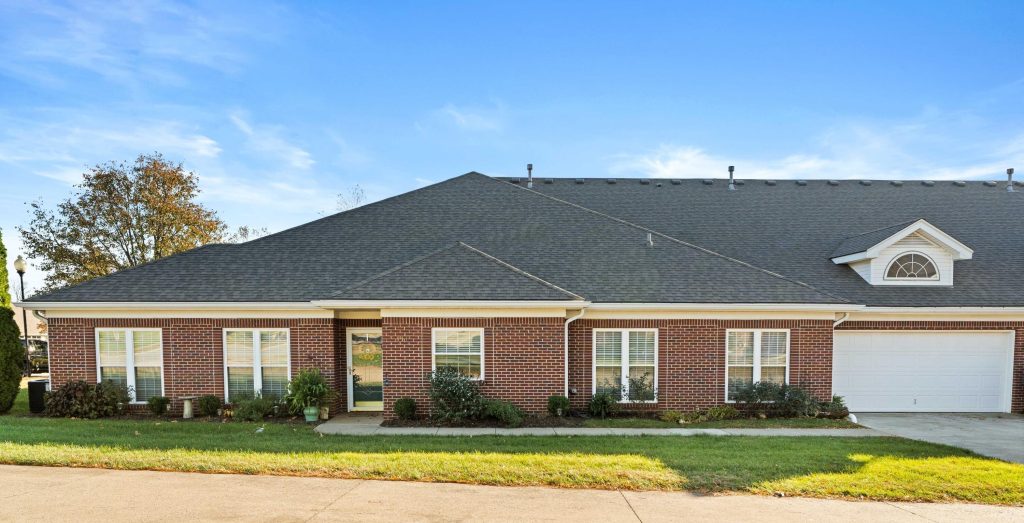
Your roof is your home’s first line of defense against the elements. But here’s something many homeowners overlook: the “best” roofing material isn’t universal. What works in Arizona might fail prematurely in Kentucky. In Shelbyville, KY, where temperatures range from winter lows around 26°F to summer highs near 86°F with humidity consistently in the high 70s and over 160 rainfall days annually, choosing the right roofing material isn’t just about curb appeal—it’s about protecting your investment for decades. Contact our roofing specialists for expert guidance on selecting the perfect material for your home.
Quick Summary
- Metal roofing offers 40-70 year lifespans with superior storm resistance and energy savings of 20-40%
- Architectural asphalt shingles provide affordable performance lasting 22-25 years in Kentucky’s climate
- Climate factors (heat, humidity, freeze-thaw cycles, storms) should drive your material decision
- Proper material selection can save thousands in energy costs and prevent premature replacement
- Professional installation is critical—improper installation voids warranties regardless of material quality
- Location-specific considerations matter more than national recommendations
Why Climate Is the #1 Factor in Roofing Material Selection
Climate isn’t just one factor in your roofing decision—it’s the most critical factor. The materials covering your home face constant exposure to sun, rain, wind, temperature swings, and humidity. Each roofing material responds differently to these conditions, directly impacting lifespan, performance, and cost-effectiveness.
Shelbyville’s humid subtropical climate presents unique challenges that make some materials excellent choices while rendering others problematic. Understanding these climate impacts helps you avoid costly mistakes and select materials that will protect your home for decades.
How Heat and Humidity Affect Roofing Materials
Shelbyville’s summers bring temperatures reaching 86°F with relative humidity consistently in the high 70s. With over 160 rainfall days annually and 32 inches of precipitation, moisture creates challenging conditions for many roofing materials.
Heat causes expansion, cracking, and warping in certain materials. Dark-colored roofs absorb significant heat, increasing cooling costs and accelerating material deterioration. According to the U.S. Department of Energy’s cool roofing research, a clean white roof that reflects 80% of sunlight stays about 50°F cooler than a gray roof reflecting only 20% of sunlight.
Humidity presents equally serious concerns. Moisture penetration leads to rot, mold growth, and structural damage in materials that don’t breathe properly or trap water.
How Cold Temperatures and Freeze-Thaw Cycles Impact Durability
Shelbyville winters see temperatures dropping to around 26°F, with January averaging lows of 25.9°F and snowfall occurring primarily December through March. When temperatures drop below freezing, moisture that has worked into roofing materials freezes and expands. This freeze-thaw cycle repeats throughout winter, gradually causing cracks, splits, and deterioration.
Some materials become brittle in cold weather, making them susceptible to damage from falling branches or ice. Materials suitable for our climate must maintain flexibility and structural integrity through these temperature fluctuations.
Storms, High Winds, and Hail Considerations in Kentucky
Kentucky experiences severe thunderstorms, high winds, and hail. Recent tornado outbreaks and storms have produced hail up to 2.75 inches in diameter. Storm damage includes:
- Dented or cracked shingles from hail impact
- Missing or damaged shingles from high winds
- Torn or lifted flashing around penetrations
- Debris punctures from fallen tree limbs
Wind resistance ratings matter significantly. Some materials lift or break easily in high winds, while others are engineered specifically for storm zones. Professional inspections catch hidden damage that untrained eyes miss, potentially saving you from insurance claim complications.
Best Roofing Materials for Shelbyville, KY’s Climate
Let’s examine the most common roofing materials and their real-world performance in our specific climate conditions.
Asphalt Shingles: The Most Popular Choice
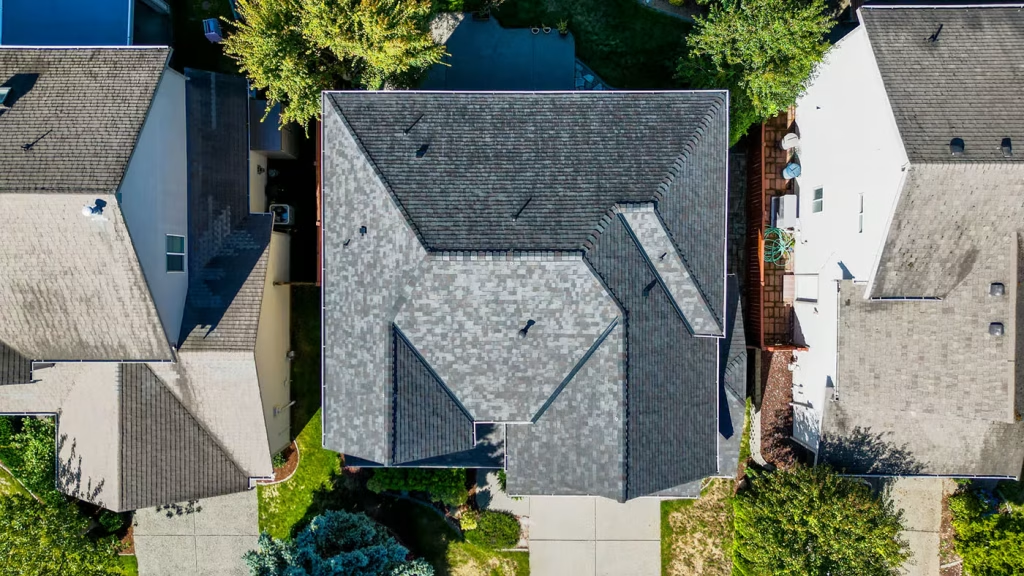
Asphalt shingles account for over 80% of residential roofs in Kentucky. They offer a practical balance of affordability, performance, and aesthetic options compatible with most architectural styles.
Performance in Kentucky’s Climate: Architectural (dimensional) shingles significantly outperform basic three-tab shingles in humid, variable climates. They’re thicker, more durable, and better equipped to handle temperature fluctuations. Three-tab shingles typically last 15-20 years, while quality architectural shingles last 22-25 years in Shelbyville’s real-world conditions.
Cost Expectations: For a standard-sized roof, expect costs of $12,000-$16,000 for basic architectural shingles, with premium versions reaching $20,000. This includes materials and professional installation.
Advantages:
- Reasonable upfront investment
- Wide availability of experienced contractors
- Good wind resistance up to 130 mph with proper installation
- Variety of colors and styles
- Straightforward repairs when damage occurs
Disadvantages:
- Absorbs more heat than reflective materials
- Shorter lifespan compared to premium options
- More susceptible to algae growth in humid climates
- Requires more frequent replacement
If you’re considering asphalt shingles, professional roof replacement services ensure proper installation critical to maximizing lifespan.
Metal Roofing: Superior Performance and Longevity
Metal roofing has surged in popularity across Kentucky, and performance data supports this trend. Metal roofs excel in nearly every climate challenge Shelbyville faces.
Performance in Kentucky’s Climate: Metal roofs reflect solar heat rather than absorbing it, keeping homes cooler in summer. Studies show metal roofs reduce cooling costs by 20-40% compared to traditional asphalt shingles. They stand up exceptionally well to storms, with wind resistance often exceeding 140 mph. Metal roofs shed snow and ice easily and resist fire, rot, and insect damage.
Cost Expectations: For a typical 2,500-square-foot home with a 4,000-square-foot roof area, expect to invest approximately $75,000 for quality metal roofing in 2024 pricing. While significantly higher than asphalt, the lifespan and energy savings often justify the investment.
Advantages:
- Exceptional lifespan of 40-70 years
- Energy savings of 20-40% on cooling costs
- Superior storm and hail resistance
- Low maintenance requirements
- Environmentally friendly (often contains recycled content and is fully recyclable)
- Increases home resale value
Disadvantages:
- Higher upfront investment
- Requires specialized installation expertise
- Can be noisy during heavy rain (though proper underlayment minimizes this)
- Some homeowners prefer traditional aesthetics
Learn more about professional roof replacement services for metal roofing installations.
Wood Shakes: Beautiful But High-Maintenance
Wood shakes create a distinctive, natural appearance that some homeowners love. Cedar shakes can last 30-40 years in ideal conditions and offer good insulation properties.
Performance in Kentucky’s Climate: Kentucky’s high humidity makes wood a challenging choice. Wood naturally absorbs moisture, leading to rot, mold, moss growth, and warping. Wood shakes require significant maintenance, including regular treatments to prevent moisture damage and periodic replacement of damaged shakes.
Cost Expectations: Cedar shake installation typically costs $20,000-$35,000 for an average home, with ongoing maintenance adding $500-$1,500 annually.
Advantages:
- Distinctive natural aesthetic
- Good insulation properties
- Can last 30-40 years with diligent maintenance
Disadvantages:
- High humidity causes rot and mold issues
- Requires extensive ongoing maintenance
- Fire risk without treated shakes
- More expensive than asphalt
- Limited contractor expertise in the region
Clay & Concrete Tiles: Built for Heat
Clay and concrete tiles excel in hot, dry climates by reflecting heat and providing excellent insulation. They’re extremely durable, often lasting 50-100 years, fire-resistant, and low-maintenance.
Performance in Kentucky’s Climate: In Shelbyville, tiles can work but come with important considerations. They’re exceptionally heavy—often requiring additional structural support that adds significantly to installation costs. Cold weather poses some risk, as tiles can crack if moisture penetrates and freezes during freeze-thaw cycles.
Cost Expectations: Installation typically runs $25,000-$45,000 or more for an average home, including necessary structural reinforcement.
Advantages:
- Extremely long lifespan (50-100+ years)
- Excellent heat reflection
- Fire-resistant
- Low maintenance once installed
Disadvantages:
- Very heavy—requires structural evaluation and possible reinforcement
- High upfront cost
- Cold weather can cause cracking
- Limited contractor expertise in Kentucky
- Difficult and expensive to repair
Slate Roofing: The Premium Option
Slate represents the premium end of roofing materials. It’s virtually indestructible, with lifespans exceeding 100 years. Slate is naturally resistant to fire, water, and temperature extremes.
Performance in Kentucky’s Climate: In our climate, slate performs beautifully. It handles freeze-thaw cycles, stays cool in summer heat, and withstands storms with ease.
Cost Expectations: Slate roofing installation typically runs significantly more than other options, making it a luxury investment seen primarily on high-end homes.
Advantages:
- Unmatched longevity (100+ years)
- Superior weather resistance
- Timeless elegance
- Increases home value significantly
- Zero maintenance in most cases
Disadvantages:
- Extremely high cost
- Very heavy—requires structural evaluation
- Specialized installation—limited qualified contractors
- Difficult to repair if damaged
- Not cost-effective for homes you don’t plan to keep long-term
Synthetic Roofing Materials: Modern Innovation
Synthetic materials like rubber, plastic polymer, and composite shingles have evolved significantly. Modern synthetics are designed specifically for weather resistance, mimicking the appearance of wood, slate, or tile while offering superior performance in varied climates.
Performance in Kentucky’s Climate: These materials resist moisture, won’t rot or crack from temperature changes, and typically last 30-50 years. They’re lighter than tile or slate, easier to install, and perform well in our humid subtropical conditions.
Cost Expectations: Synthetic materials typically cost $15,000-$25,000 for an average home—less than the premium materials they imitate but more than asphalt shingles.
Advantages:
- Weather-resistant design
- Lighter weight than natural materials
- Lower cost than slate or cedar
- Variety of aesthetic options
- Good lifespan (30-50 years)
Disadvantages:
- Newer technology with less long-term performance data
- Some products don’t match the authentic look of natural materials
- Limited contractor experience with certain products
- Quality varies significantly between manufacturers
Comparing Roofing Materials by Climate Factor
Here’s how different materials stack up against Shelbyville’s specific climate challenges:
| Climate Factor | Best Options | Materials to Avoid | Notes for Shelbyville |
| Heat (86°F+ summers) | Metal, tile, light-colored asphalt | Dark asphalt, wood | Reflective materials reduce cooling costs 20-40% |
| Cold (26°F winters) | Metal, slate, asphalt | Clay tile, wood | Must handle freeze-thaw cycles without cracking |
| Storms & Hail | Metal, architectural shingles | Wood, basic 3-tab | Impact resistance critical—hail up to 2.75″ |
| Humidity (70%+) | Metal, synthetic, quality asphalt | Wood, untreated materials | Mold and rot prevention essential |
| Heavy Rain (160+ days) | Metal, slate, sealed asphalt | Wood, porous materials | Proper drainage and water resistance critical |
This comparison makes clear that metal and quality architectural asphalt shingles are the most versatile choices for handling everything our climate delivers.
How to Choose the Right Material for Your Home
Beyond climate compatibility, several other factors should influence your decision.
Consider Your Budget Initial and Lifecycle Costs
Your budget includes both initial installation and long-term costs. A cheaper roof needing replacement in 15 years may cost more over time than a premium roof lasting 50 years.
Lifecycle Cost Example:
- Metal roof: $75,000 ÷ 50 years = $1,500/year + minimal maintenance – 30% energy savings
- Asphalt shingles: $32,000 ÷ 22 years = $1,455/year + moderate maintenance + no energy savings
Factor in maintenance costs, energy savings, insurance discounts, and expected lifespan when calculating true cost. Don’t forget that quality installation matters as much as material choice.
Consider Your Home’s Architectural Style
Your roof should complement your home’s design:
- Asphalt shingles: Work with virtually any style—Colonial, Ranch, Contemporary
- Metal roofing: Suits farmhouses, modern homes, contemporary designs
- Tile: Fits Mediterranean, Spanish, Southwestern styles
- Slate: Belongs on traditional, Colonial, or luxury homes
- Wood shakes: Complements rustic, craftsman, cottage styles
Choosing materials that match your home’s character ensures cohesive curb appeal and maintains property value.
Consider Expected Lifespan and Your Plans
How long do you plan to stay in your home? If you’re likely to move within 10 years, investing in a premium 70-year roof may not make financial sense unless it significantly increases resale value in your market.
If this is your forever home, prioritizing longevity and low maintenance pays dividends through reduced hassle and long-term savings.
Consider Maintenance Levels You’re Willing to Commit To
Some materials need regular attention while others are virtually maintenance-free:
- Minimal maintenance: Metal, synthetic, slate
- Low maintenance: Quality asphalt shingles
- Moderate maintenance: Tile (periodic inspection and sealing)
- High maintenance: Wood shakes (regular treatment, frequent repairs)
Be honest about how much time and money you’re willing to invest in roof maintenance over the years.
Consider Energy Efficiency Goals
If reducing energy costs matters to you, material choice makes a significant difference. Metal roofs offer the best energy savings in our climate—up to 40% reduction in cooling costs. Cool-colored asphalt shingles also help. Dark roofs absorb heat and increase cooling costs substantially.
According to NOAA’s climate data, weather and climate disasters continue increasing in frequency and intensity, making energy-efficient choices increasingly important.
Some energy-efficient roofing materials may qualify for tax credits or insurance discounts. Get personalized material recommendations contact our Shelbyville roofing experts today to discuss your specific goals and home requirements.
Signs You May Need a Roofing Upgrade in Kentucky
Our climate accelerates certain types of roof damage. Watch for these warning signs:
- Curling, cracking, or missing shingles, especially on south and west-facing slopes
- Granule loss on asphalt shingles, indicating weathering from sun and storms
- Dark stains or streaks suggesting algae or mold growth from humidity
- Sagging areas indicating potential structural issues from moisture
- Daylight visible through roof boards when in the attic
- Increased energy bills suggesting reduced insulation effectiveness
- Age approaching or exceeding expected lifespan for your material type
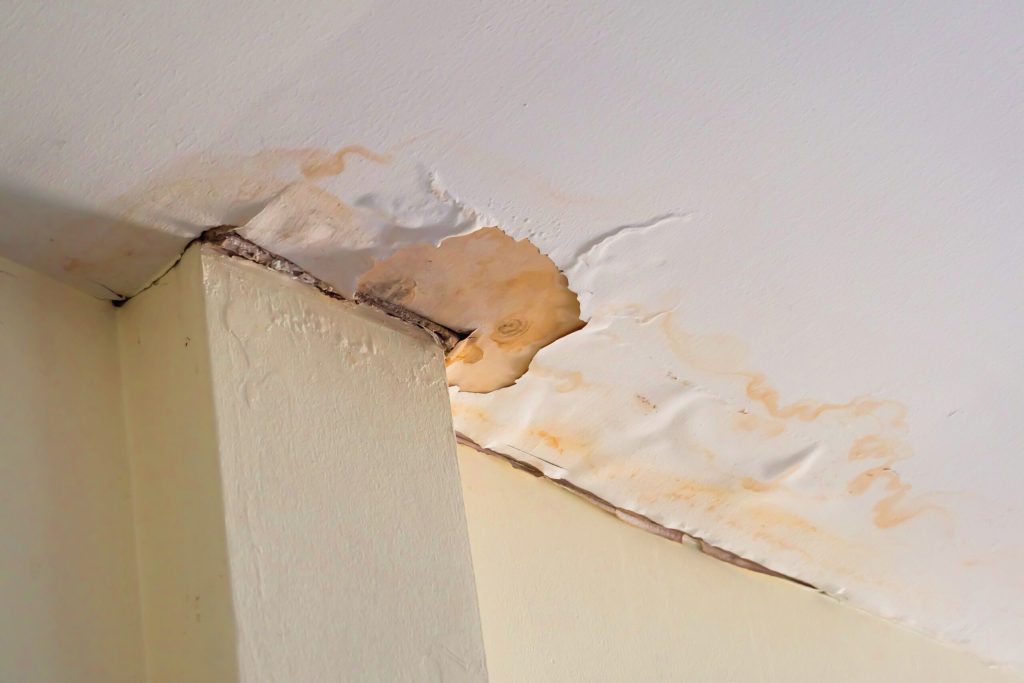
- Interior water stains on ceilings or walls
- Mold or mildew growth in attic spaces
If you’re experiencing any of these issues, contact a roofing contractor in Shelbyville for a professional inspection. Swift action with expert roof repair services can often prevent minor issues from becoming major problems.
When to Call a Professional Roofing Expert
Warning Signs You Shouldn’t Ignore
Several red flags demand immediate professional attention:
- Interior water stains on ceilings or walls indicating active leaks
- Sagging rooflines suggesting structural damage from moisture or weight
- Visible mold or mildew growth signaling moisture problems
- Unexpectedly high energy bills from poor attic insulation or ventilation
- Light visible through roof boards from the attic indicating deterioration
- Large areas of missing or damaged shingles exposing your home to infiltration
- Recent severe weather with hail larger than 1 inch or winds exceeding 60 mph
Benefits of Hiring a Local Kentucky Roofer
Local contractors offer advantages that out-of-state companies can’t match:
- Regional expertise – Understanding Kentucky’s specific weather and building codes
- Community reputation – Established businesses with local accountability
- Quick response – Nearby for emergency storm damage repairs
- Ongoing support – Available to honor warranties long after completion
- Insurance experience – Familiar with Kentucky weather claims processes
- Material knowledge – Know which products perform best in our climate
How Regular Maintenance Extends Roof Lifespan
Preventive roof care delivers impressive returns on investment. Research shows that proactive maintenance can extend your roof’s lifespan by 10-15 years. Annual inspections and minor repairs typically costing $200 to $1,000 can delay a $20,000-$30,000 replacement.
Additional savings include:
- Prevention of interior damage to ceilings, walls, and insulation
- Maintained home value and appeal to future buyers
- Better insurance rates and fewer claim rejections
- Reduced energy costs from proper ventilation and insulation
- Avoided emergency repair premiums during severe weather
Small investments in gutter cleaning, shingle replacement, and flashing repairs compound over time, providing massive savings compared to neglect.
Contact Our Roofing Experts Today
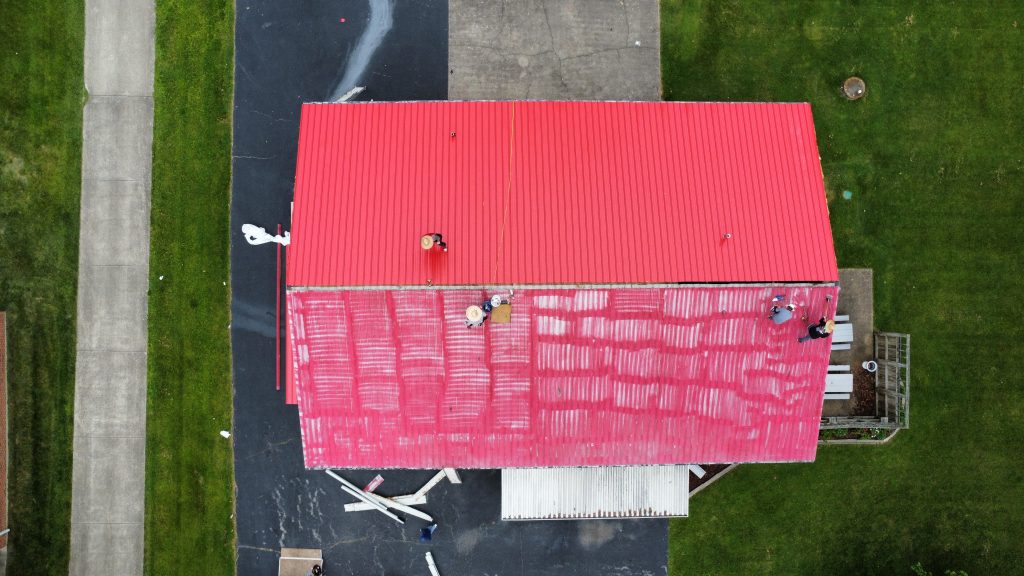
Your roof protects your most valuable investment—don’t wait until minor issues become major emergencies. Our certified team at JT Roofs understands Kentucky’s unique roofing challenges and delivers quality installations that stand the test of time.
Why Choose JT Roofs:
- Family-owned business with strong community values
- Licensed and insured with verified credentials
- Expert knowledge of Kentucky climate considerations
- Transparent pricing and flexible financing options
- Comprehensive warranties on all work
- Fast response for consultations and inspections
- Serving Sellersburg, Clarksville, Shelbyville, and Southern Indiana/Kentucky
Whether you need material selection guidance, climate assessment, or complete roof replacement, we’re here to help. Get your home evaluated by our certified roofing team and gain peace of mind knowing your investment is protected.
📞 Call us today or schedule online for a professional consultation and experience the difference local expertise makes.
Frequently Asked Questions
What is the most durable roofing material for Kentucky weather?
Metal roofing and slate are the most durable options for Kentucky’s climate, with metal offering the best balance of performance, longevity, and cost. Metal resists humidity, handles temperature swings from 26°F winters to 86°F summers, withstands storms with hail up to 2.75 inches, and lasts 40-70 years with minimal maintenance. Slate offers even longer lifespans (100+ years) but at significantly higher cost.
Is metal roofing worth it in Shelbyville?
Yes, for most homeowners planning to stay in their homes long-term. While the upfront investment is higher (around $75,000 versus $32,000 for quality asphalt shingles), the exceptional durability, energy savings of 20-40% on cooling costs, low maintenance, and superior storm resistance provide strong value. Over a 30-year period, metal often costs less than replacing asphalt shingles twice while delivering better performance throughout.
What roofing materials handle storms best?
Metal roofing and architectural asphalt shingles offer the best storm resistance. Metal roofs rarely sustain damage even in severe weather with hail up to 2.75 inches and winds exceeding 140 mph, while quality architectural shingles with proper installation withstand winds up to 130 mph and moderate hail. Both significantly outperform wood, basic three-tab shingles, and tile in storm conditions common to Kentucky.
How does Shelbyville’s climate affect roof lifespan?
Shelbyville’s humid subtropical climate with high humidity (consistently in the high 70s), over 160 rainfall days annually, freeze-thaw cycles in winter, and severe storms can reduce roofing lifespans by 15-25% compared to ideal conditions. Materials that resist moisture penetration, handle temperature fluctuations without becoming brittle, and withstand impact damage perform best and achieve lifespans closer to manufacturer estimates.
Can I install a new roof over my existing shingles?
While building codes in some areas permit one layer of shingles over existing roofing, it’s rarely recommended. Installing over old shingles traps moisture, hides damage, adds excessive weight, voids many manufacturer warranties, and reduces the new roof’s lifespan. Complete tear-off allows proper inspection of decking and ensures optimal performance of your new roof.
What roof is most energy-efficient in humid climates?
Metal roofing with reflective coatings provides the greatest energy efficiency in humid climates like ours. The reflective surface reduces heat absorption, and studies show cooling cost reductions of 20-40%. According to the U.S. Department of Energy, a white roof reflecting 80% of sunlight stays about 50°F cooler than a gray roof reflecting only 20%. Light-colored or “cool” asphalt shingles offer a more affordable energy-efficient option with moderate savings. The Cool Roof Rating Council maintains a database where you can compare solar reflectance values by material and color.
Do I need impact-resistant shingles in Kentucky?
While not legally required, impact-resistant shingles are highly recommended given Kentucky’s history of hail storms producing hail up to 2.75 inches in diameter. Impact-resistant shingles (Class 4 rated) significantly reduce storm damage risk and may qualify you for 10-20% insurance discounts, often offsetting the modest additional cost within a few years.
How long does roof replacement take?
Most residential roof replacements take 1-3 days for asphalt shingles on an average-sized home in good weather. Metal roof installation typically takes 3-5 days due to precision requirements. Complex roofs with multiple valleys, steep pitches, or significant damage to decking may take longer. Weather delays can extend timelines. Your contractor should provide a clear timeline estimate before work begins.
What’s the best time of year to replace a roof in Kentucky?
Late spring through early fall offers optimal conditions for roof replacement in Kentucky. Temperatures between 50-85°F allow proper shingle sealing and material adhesion. Avoid winter when cold temperatures make shingles brittle and harder to work with, though emergency replacements should be addressed immediately regardless of season. Schedule projects early as contractors book up during peak season.
Does homeowners insurance cover roof replacement?
Most policies cover roof damage from sudden events like storms, hail, wind, or fallen trees. However, damage from wear and tear, neglect, or poor maintenance typically isn’t covered. Insurance may prorate coverage based on roof age—roofs over 20 years often receive reduced coverage. Document all storm damage with photos and contact your insurance company promptly. Many Kentucky roofers have experience working with insurance claims and can assist with the process.
Related Articles: